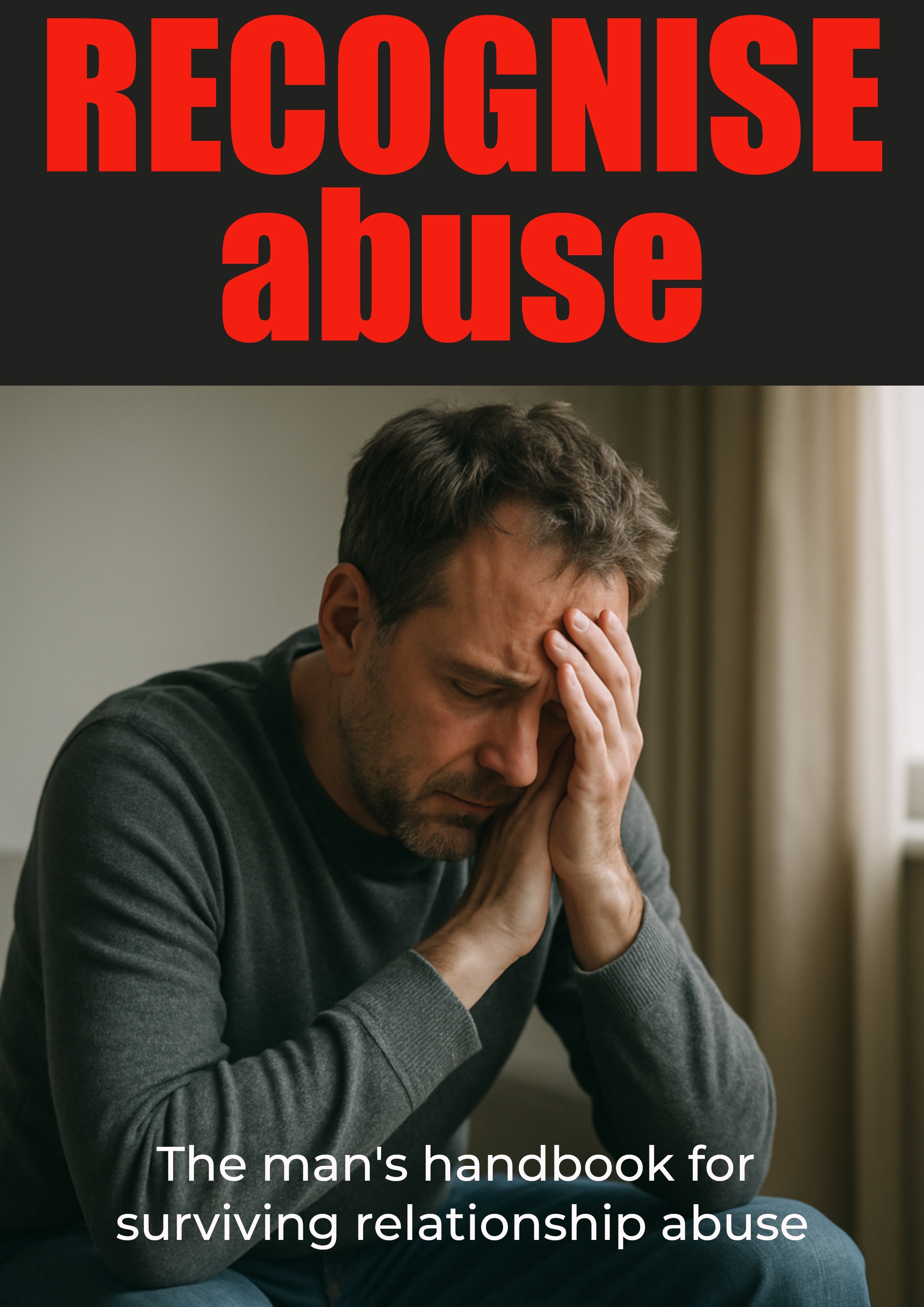
Gloucester, England Dec 30, 2025 (Issuewire.com) - A discreet new resource for mothers who quietly sense that something may not be right in their adult sons life is now available. It is designed for mothers who feel uncertain how or whether to raise concerns without damaging their relationship or making matters worse.
Many mothers and adult sisters describe noticing subtle but troubling changes: a son becoming withdrawn or anxious, emotionally depleted, unusually defensive of his partner, or simply no longer behaving like himself. When those concerns involve a sons girlfriend, fiancée, or wife, silence often follows driven by fear of being accused of interference, pushing him away, or unintentionally escalating the situation.
For many families, the uncertainty is paralysing.
- What if they are wrong?
- What if raising concerns drives him further into isolation?
- What if speaking up causes more harm than good?
According to Roy Sheppard a former BBC reporter and television host these fears are not only understandable, but common.
As a survivor of relationship abuse myself, I know how isolating and disorienting it can feel, Sheppard says. At the time, I would never have confided in my own family. Decades later, men of all ages still struggle to talk about these experiences. Thats why I wrote Recognise as a discreet resource that can be accessed privately beyond the prying eyes of their abuser, thus minimising a confrontation.
The resource addresses a sensitive reality: adult sons are often reluctant to admit emotional distress, particularly within families where they are expected to be strong, resilient, and independent. Many men remain in unhealthy relationships believing that patience, empathy, loyalty, or self-sacrifice will eventually restore harmony.
Empathy, loyalty, and patience qualities many parents rightly encourage can sometimes make men vulnerable in the wrong relationship, Sheppard explains.
Written in a calm, measured tone, Recognise helps readers understand patterns that may include emotional manipulation, coercive control, and psychological pressure without encouraging blame, confrontation, or impulsive action. While written primarily for men, the resource is increasingly being read by mothers who want to better understand what their sons may be experiencing, and to approach any future conversations with greater sensitivity and insight.
More On Detailupdates ::
- Canadian Innovation and Policy Expert Appointed to Global Role Advancing Space Economics and Industrial Innovation
- Finland's Casinos Dominate Globally, Offering the Highest Number of Games in 2025
- Sasha Wrist Shares Her Most Authentic Album Yet “LA CHAMA (pOnkeesitah)”
- DAZAO Showcases 5-Axis CNC Machining Capabilities at EMO Hannover 2025
- Cinematographer Xincong Zhao Brings Autism Stories to the Big Screen in Uniquely You
Another theme explored is the hidden cost of prolonged emotional strain. Mothers may notice their sons becoming depleted, anxious, or financially stretched long before the son himself is able to acknowledge that something is wrong.
Understanding these patterns earlier can prevent years of unnecessary emotional and mental damage, Sheppard says.
Importantly, Recognise does not tell men or families what to do. It does not urge parents to intervene directly, issue ultimatums, or confront partners. Instead, it offers a framework for understanding the bigger picture allowing concerned mothers and family members to remain supportive, informed, and emotionally available, sharing the resource without overstepping.
Recognise is the first book in a three-part framework, to be followed by Protect and Rebuild, which focus on personal safety, financial protection, boundaries, recovery, and personal growth. While Recognise stands alone as a starting point, it has been intentionally designed for both men and the family members who care deeply about their wellbeing.
Recognise is available now as a digital edition.
ENDS
More information
A FREE 36-page sample is available either to preview or to download and share:
https://tinyurl.com/4smxjt9t
Q&A: When You Sense Something Isnt Right With Your Adult Son
Q: Many mothers say they feel something is off but cant put their finger on it. Is that common?
A: Yes. Mothers are often the first to notice subtle changes: emotional withdrawal, anxiety, exhaustion, or a son no longer seeming like himself. These shifts dont always point to abuse but they do suggest strain that deserves careful attention.
Q: What stops mothers from raising concerns directly?
A: Fear. Fear of being accused of interference, of damaging the relationship, or of pushing their son further away. Many mothers worry theyll be seen as biased, judgmental, or overprotective even when their concern comes from genuine care.
Q: Should a mother ever confront her sons partner?
A: Generally, no. Direct confrontation can backfire, increasing defensiveness or isolation. Most experts recommend keeping communication open with your son rather than positioning yourself against his partner.
Q: What are early warning signs that concern should not be ignored?
A: A spate of physical injuries such as facial bruises he dismisses as accidents but is reluctant to explain further. Persistent emotional exhaustion, heightened anxiety, financial stress, social withdrawal, or a sense that your son feels smaller or less confident than he once was. Changes that last months not days matter most.
Q: My son insists everything is fine. Should I trust that?
A: You can respect his words while still trusting your instincts. Many men minimise emotional distress, particularly if they feel pressure to appear strong or self-reliant.
Q: Is it possible for positive traits to work against men in relationships?
A: Yes. Qualities like empathy, loyalty, patience, and a desire to fix things can keep men stuck in unhealthy dynamics longer than is healthy for them. They often fail to recognise coercive or abusive behaviour and through misplaced loyalty, learn to accept the unacceptable by thinking its normal, when it isnt.
Q: How can a mother stay supportive without overstepping?
A: By remaining calm, emotionally available, and non-judgmental. Let your son know youre there not to tell him what to do, but to listen whenever hes ready. Sharing Recognise by simply saying I came across this and wondered what you thought about it? It could open the door to a helpful conversation - in his own time.
Q: What role does understanding play before taking action?
A: A crucial one. Learning about emotional manipulation, coercive control, and psychological pressure helps mothers interpret behaviour more accurately and avoid reactions that unintentionally cause him harm or further isolation from family and friends.
Q: Does Recognise tell families what to do next?
A: No. It does not urge intervention, confrontation, or ultimatums. Instead, it offers a framework for understanding allowing mothers to remain better informed, supportive, and emotionally grounded.
Q: What is the most important thing a worried mother can do?
A: Stay connected. Isolation from family is often the greatest risk. A steady, compassionate presence without pressure can make all the difference when a son is eventually ready to talk.

Source :Roy Sheppard
This article was originally published by IssueWire. Read the original article here.
3 month's ago